
Women’s Refuge research focuses on the experience of women and non-binary adult victims of intimate partner violence, and of children who are also victims of this violence.
We focus on the experiences of Women’s Refuge clients as well as other victims, and we understand that victims are the best experts of their own realities. Our research is also informed by our frontline kaimahi and by other research in Aotearoa and worldwide.
We analyse and interpret victims’ experiences with a specialist family violence, feminist, and Te Tiriti-based lens. Our research methods and reports aim to uphold the dignity and mana of victim-survivors, and improve their safety and wellbeing.
Below you will find research reports and resources designed to make our research more accessible and inform good practice with victim-survivors and their whānau.
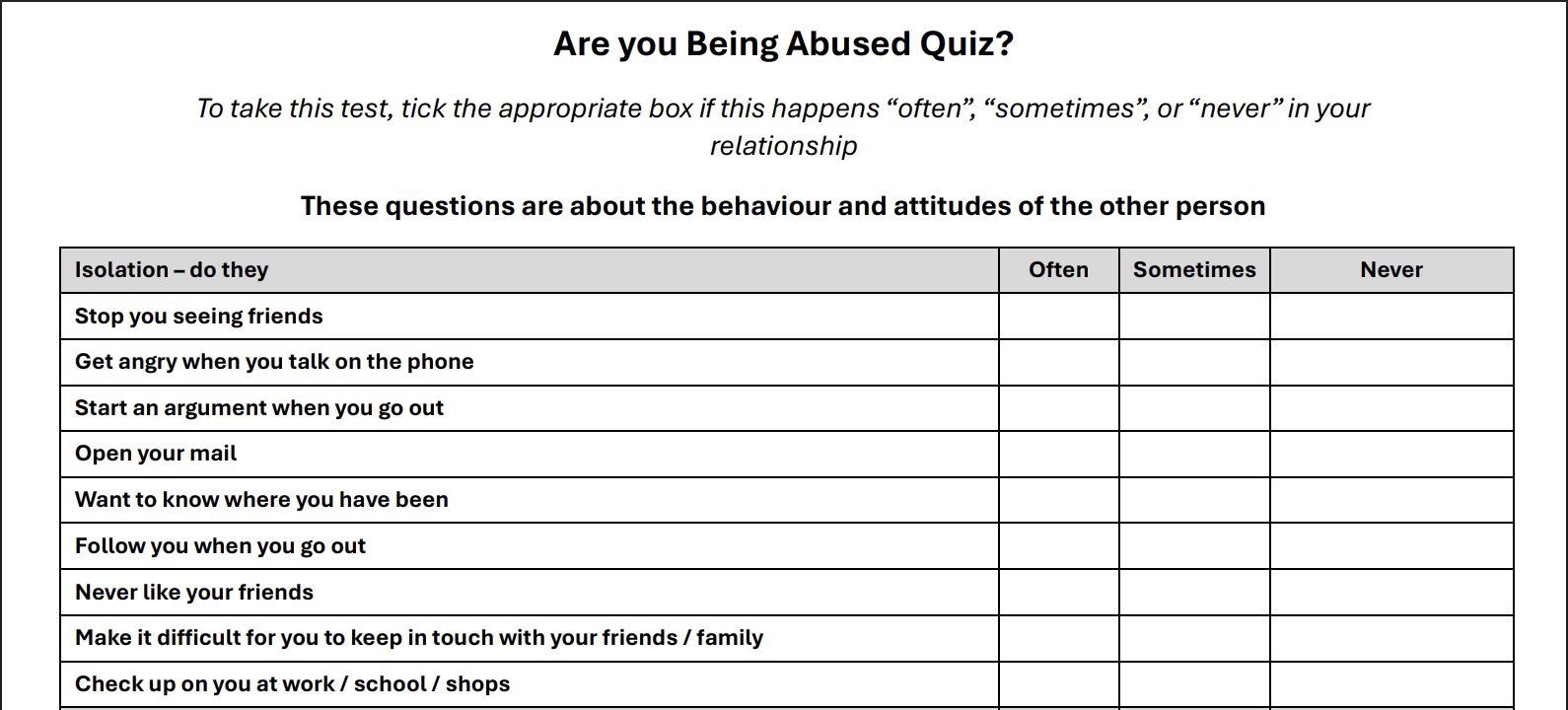
Are you Being Abused Quiz
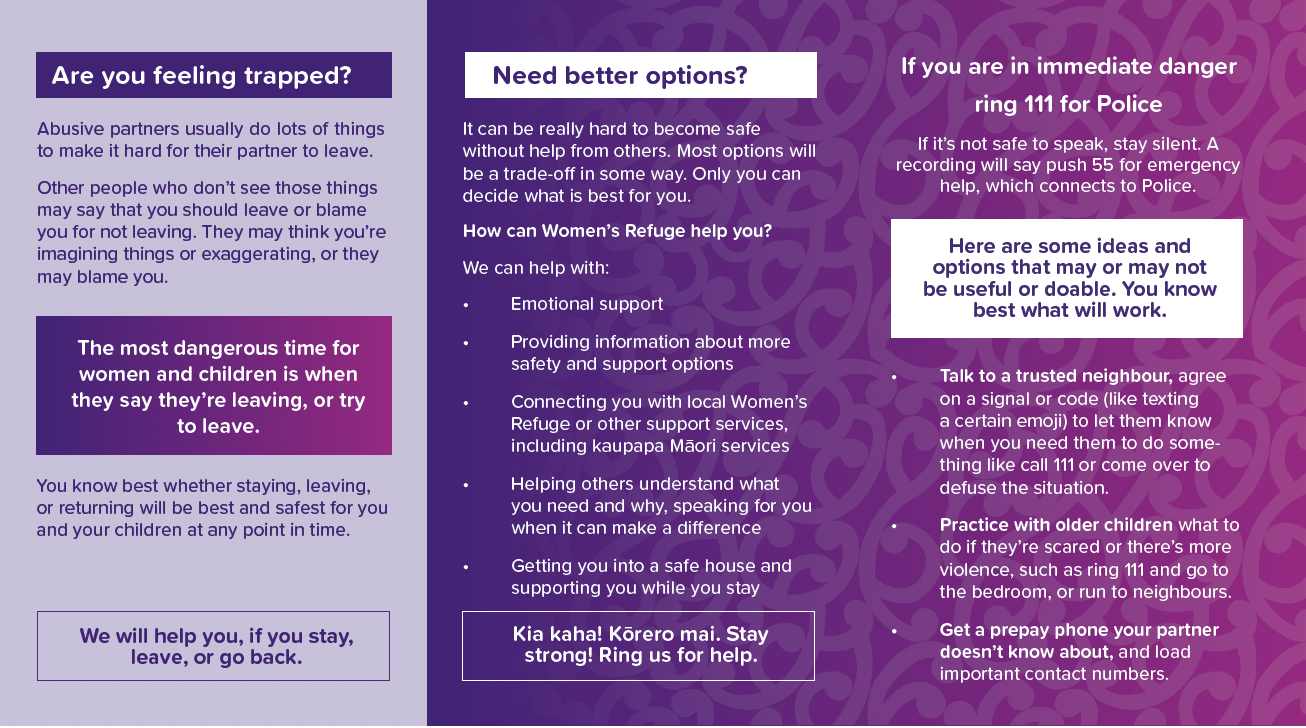
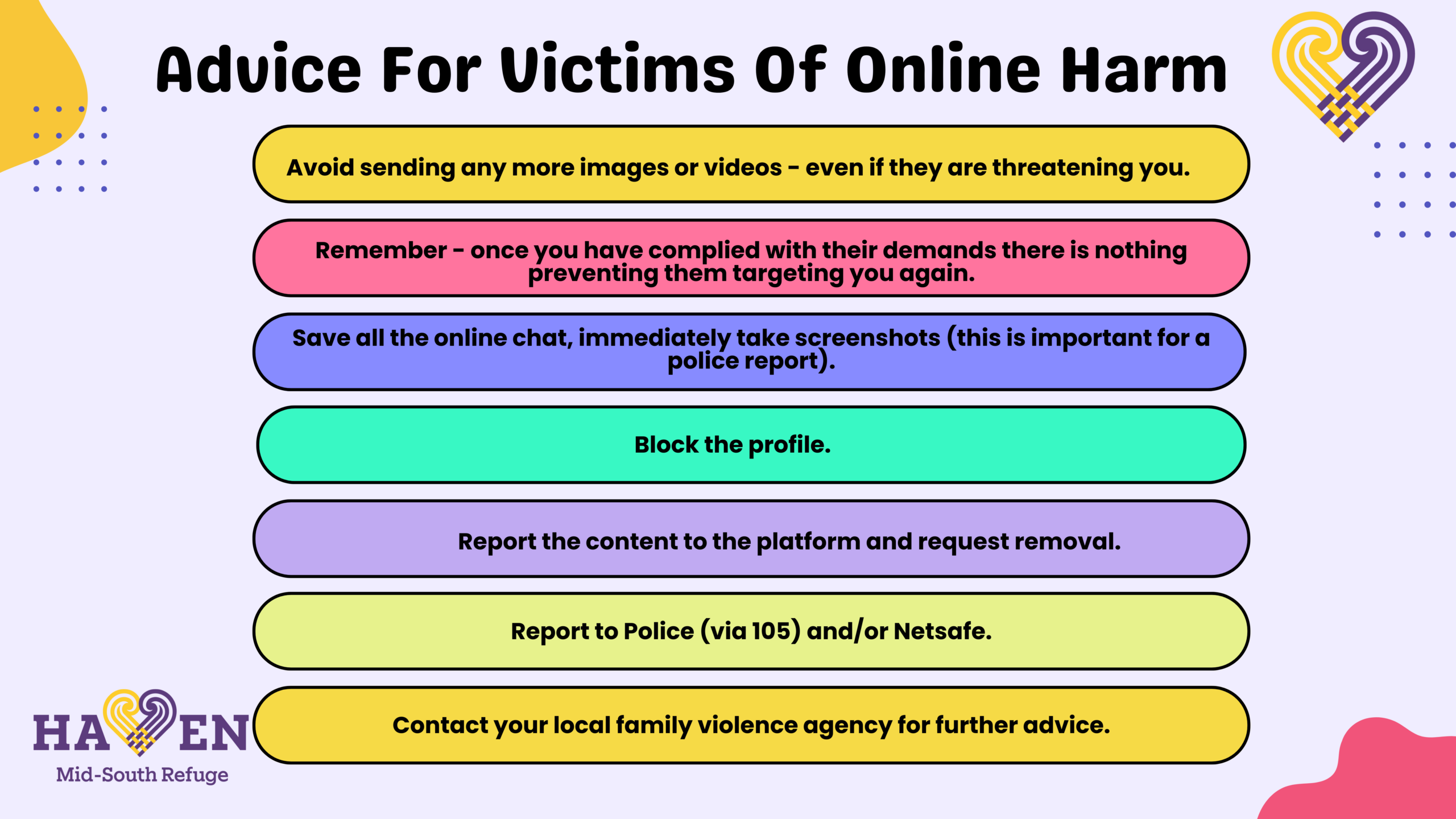
Online Safety Plan
Executive Summary: Reframing ‘Risk’ & ‘Safety’ in intimate partner violence (2025)
Traumatic Brain Injury (TBI) and Intimate Partner Violence (2025)
How Communities Feel about Responding to Family Violence (2024)
Myth vs Fact
The abuse only happens when the partner has been drinking or using drugs.
Drugs and alcohol can make the behaviour more dangerous or frequent, but they are not the cause. Abuse is a choice to use power and control. Many people use substances and never hurt anyone, and many abusers are completely sober when they choose to be abusive.
If it were really that bad, the victim would just leave.
Leaving is often the most dangerous time for a victim because the abuser realizes they are losing control. There are also practical barriers like having no money, nowhere to go, or fear for the safety of children and pets.
The children are fine because they were in the other room and didn't see anything.
Children are very sensitive to the “weather” of a home. Even if they don’t see a hit, they hear the shouting, feel the tension, and see the aftermath. Growing up in a home with constant fear affects their sense of safety and development.
Abuse is just a loss of temper or "losing it" during a bad fight.
Abuse is rarely about losing control; it’s about taking control. Often, an abuser chooses where they hit (so bruises don’t show) or chooses to wait until there are no witnesses. This shows they are actually very much in control of their actions.
They only hit me once, so it’s not really a "domestic violence" situation.
Physical violence is usually just one part of a larger pattern. Often, it is preceded by months or years of emotional control, isolation, or monitoring your phone. One hit is a sign that the abuser is willing to use physical force to maintain that control.
Domestic violence is just a "private family matter" that others shouldn't get involved in.
Abuse is a crime and a community health issue. When we treat it as a secret, it allows the abuser to keep the victim isolated. Support from friends, whānau, and neighbours is often what helps a person find the path to safety.
If the partner is "sorry" and promises it will never happen again, the abuse has stopped.
Apologies and “honeymoon periods” are often part of the cycle of violence. An abuser may use remorse to regain trust and prevent the victim from leaving, but without professional intervention and a commitment to change, the pattern usually repeats.
Abuse only happens to people who are "weak" or have low self-esteem.
Abuse can happen to anyone, including very strong, independent, and successful people. In fact, abusers often target people who are capable and nurturing, then use a pattern of control to slowly break down their confidence over time.
Only "bad" people or criminals commit domestic violence.
People who cause harm often lead “normal” lives. They are our neighbours, coworkers, and friends. They can be charming and helpful in public while being abusive and controlling behind closed doors.
Domestic violence is usually just a one-time incident where someone "snapped."
Domestic violence is a chosen pattern of behaviour used to maintain power. It is rarely a single isolated event. Even if the physical violence only happens once, it is usually backed up by ongoing threats, emotional abuse, or isolation.
Domestic violence is a “poor people” problem.
Domestic violence occurs in all socio-economic groups. In fact, middle-class women often face barriers to get public assistance when they decide to leave because of their family’s above poverty line financial status.